





When it comes to ensuring your home in Columbia, SC, remains powered during outages, generator load sizing is a critical factor. This process involves calculating the amount of power your home needs and selecting a generator that can meet these demands. It’s not just about picking the biggest model on the market, it’s about finding the right fit for your specific needs. By accurately sizing a generator, homeowners can avoid the inconvenience of power outages and ensure their home’s essential systems keep running smoothly.
Professionals in the field of standby generators use a variety of methods to manage loads and prevent outages. They understand that every home in Cayce, SC, and beyond has unique power requirements. From lighting and heating to critical medical equipment, the right generator load sizing ensures that your most important appliances and systems have the power they need when the grid fails. This tailored approach is what sets expert sizing apart from guesswork.
Generator load sizing is not just a technical necessity, it’s a way to bring peace of mind to homeowners. Knowing that your standby generator has been professionally sized means trusting that you’re prepared for whatever comes your way. Whether it’s a storm knocking out power lines or a grid failure, the right generator will keep your Columbia, SC home comfortable and secure. This level of preparedness is invaluable, especially during uncertain times.
Ultimately, the goal of generator load sizing is to strike the perfect balance between power needs and generator capacity. This ensures efficiency, longevity, and reliability of your standby generator. Homeowners in Columbia and Cayce, SC, can rest easy knowing that their homes are protected against outages. With professional load management and the right generator, maintaining whole-home power during an outage is not just possible, it’s a given.
Understanding Generator Load Sizing Basics
To understand generator load sizing, it’s essential to start with the basics. This process begins by listing all the electrical appliances and systems in your home that you want to keep running during a power outage. Each item, from your refrigerator to your HVAC system, adds to the total load your generator will need to support. Professionals calculate this total to identify the generator size that matches your home’s requirements.
Calculating the exact load is a meticulous task. Experts use a formula that considers the starting wattage and running wattage of each appliance. The starting wattage is crucial because some appliances need more power to start up than to run. This attention to detail ensures your generator won’t be overwhelmed the moment you need it most, especially in areas like Columbia, SC, where weather can be unpredictable.
Beyond the numbers, understanding your home’s power priorities is key. Not all appliances are equally important during an outage. Professionals often categorize loads into ‘essential’ and ‘non-essential,’ allowing homeowners in Cayce, SC, to make informed decisions about generator capacity. This strategy prevents overloading the generator and ensures the most critical systems remain operational.
Lastly, generator load sizing isn’t a one-size-fits-all solution. It requires a customized approach that takes into account the unique aspects of each home. By working with professionals, homeowners can avoid the common pitfalls of under or oversizing. This tailored approach not only protects your investment but also guarantees your home stays powered during outages, offering peace of mind and security.
The Importance of Accurate Load Calculations
Accurate load calculations are the cornerstone of generator load sizing. They ensure your standby generator perfectly matches your home’s power needs. This precision avoids the risks associated with under or oversizing, such as system failures or unnecessary fuel consumption. In Columbia, SC, where weather can be unpredictable, having a generator that’s just right is crucial.
Professionals in Cayce, SC, utilize advanced tools and software for these calculations, considering each appliance’s power requirements. This meticulous approach ensures every aspect of your home’s electrical demand is accounted for. It’s this level of detail that guarantees your generator can handle the load, providing reliable power without overburdening the system. As a result, homeowners enjoy uninterrupted comfort and safety during outages.
Understanding the importance of load calculations can also guide homeowners in energy conservation practices. By identifying the exact power needs, it’s easier to prioritize essential over non-essential loads. This not only optimizes generator performance but also encourages a more sustainable approach to energy use. It’s a strategy that benefits both the environment and your wallet.
Ultimately, the goal of generator load sizing is to ensure your home remains a safe, comfortable haven, no matter the circumstances. Accurate load calculations are key to achieving this, offering peace of mind that your standby generator will perform flawlessly when needed. This process underscores the value of professional expertise in safeguarding your home against power disruptions.
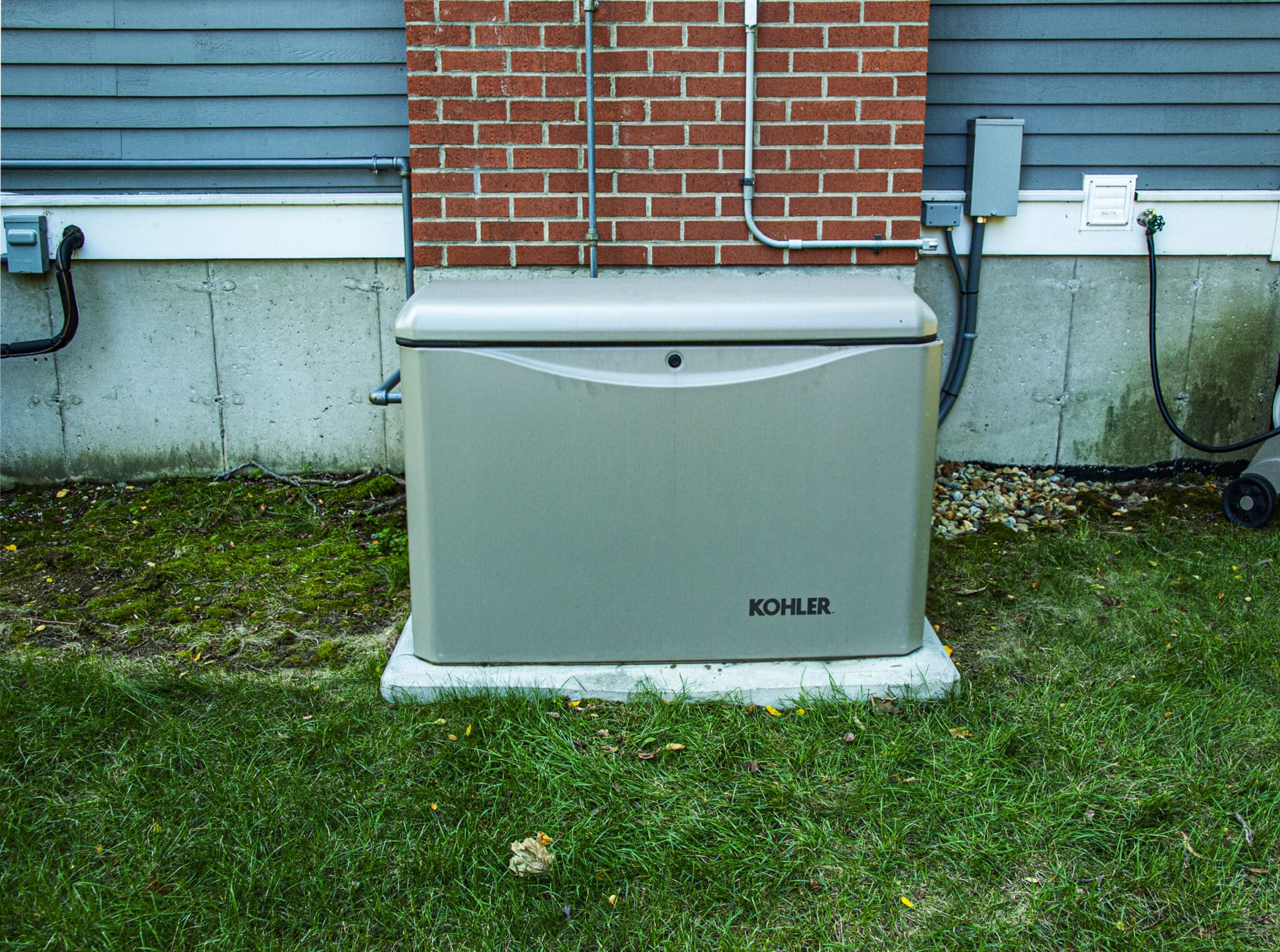
Types of Standby Generators for Home Use
Exploring the various types of standby generators is essential for homeowners in Columbia, SC, aiming for effective generator load sizing. Standby generators differ in size, fuel type, and power capacity, making some models better suited for small homes while others can handle the demands of larger properties. Selecting the right type ensures that your generator can efficiently manage your home’s power needs without waste. This choice is crucial in maintaining uninterrupted power supply during outages.
Fuel options for standby generators include natural gas, propane, and diesel, each offering distinct advantages. Homes in Cayce, SC, might benefit from natural gas generators due to their convenience and lower operating costs. Propane generators are praised for their long shelf-life and efficiency, whereas diesel units are known for their durability and power output. Understanding these differences helps in making an informed decision that aligns with your home’s energy requirements and availability of fuel sources.
The power capacity of standby generators is directly linked to generator load sizing. It determines how many appliances and systems your generator can support simultaneously. Professionals carefully assess this to recommend a generator that matches your home’s specific needs, ensuring that essential functions are maintained during a power outage. This step is vital to avoid overloading the generator, which can lead to failures and shorten its lifespan.
Ultimately, choosing the right standby generator involves considering your home’s size, power priorities, and available fuel types. This decision not only impacts the generator’s efficiency and reliability but also influences installation and maintenance costs. Homeowners in Columbia, SC, and Cayce, SC, benefit from consulting with professionals who can guide them through the process of generator load sizing. This ensures that their investment provides the desired security and comfort during unexpected power outages.
Managing Home Energy Consumption During Outages
Managing home energy consumption during outages is crucial, especially in areas like Columbia, SC, where weather can be unpredictable. Generator load sizing plays a pivotal role in this management by ensuring your standby generator is neither overburdened nor underutilized. Professionals recommend a balanced approach, focusing on powering essential appliances and systems first. This strategy not only conserves fuel but also extends the generator’s lifespan, making it more reliable when you need it most.
In Cayce, SC, homeowners are advised to understand their generator’s capacity and how to efficiently distribute power during outages. By categorizing appliances into essential and non-essential groups, you can prioritize which ones to run, thus optimizing your generator’s performance. This load management ensures that critical needs, such as heating and refrigeration, are met without exceeding the generator’s capabilities. It’s a practical method that prevents system overload and potential power failures.
Another aspect of managing energy consumption involves being mindful of how and when to use certain appliances. For instance, running a dishwasher or washing machine only during low-demand times can significantly reduce the strain on your generator. This careful timing helps maintain an even load, avoiding spikes in energy consumption that could trigger a shutdown. It’s about making smart choices that align with your generator’s capacity and your family’s needs.
Lastly, continuous education on energy conservation techniques can further enhance your outage preparedness. Homeowners who stay informed about efficient energy use not only safeguard their generator’s functionality but also contribute to a more sustainable approach to power consumption. Whether it’s through upgrading to energy-efficient appliances or adopting energy-saving habits, every little bit helps in ensuring your standby generator provides reliable power during critical times.
The Role of Transfer Switches in Generator Safety
Understanding generator load sizing extends to the safe distribution of power, where transfer switches play a critical role. These switches ensure that when the generator powers up, it does so safely without back-feeding electricity into the grid, which can be dangerous. In Columbia, SC, professionals install these switches to manage the transition between utility power and generator power seamlessly. This not only protects the electrical system but also ensures the safety of utility workers and your home.
Transfer switches are integral in prioritizing which circuits receive power first, based on the generator load sizing. This means essential systems like heating in Cayce, SC, can be prioritized over less critical ones, ensuring efficient use of power. By doing so, homeowners can avoid overloading their generators and maintain stability during outages. It’s a smart way to manage power that aligns with the generator’s capacity and the home’s needs.
The installation of a transfer switch requires professional expertise to match the generator’s load sizing accurately. Specialists ensure that the switch can handle the generator’s maximum output, providing a direct link to critical circuits. This careful planning and installation prevent potential electrical hazards and ensure that power is distributed according to the homeowner’s priorities. It’s a step that underscores the importance of professional guidance in setting up a reliable home power system.
Lastly, educating homeowners on the function and importance of transfer switches enhances generator safety and efficiency. By understanding how these switches work in tandem with generator load sizing, homeowners in Columbia and Cayce, SC, can make informed decisions about their power management during outages. It’s an essential piece of knowledge that contributes to the overall safety and effectiveness of standby generators, ensuring homes remain powered and protected.
How to Choose the Right Generator for Your Home
Choosing the right generator for your home in Columbia, SC, starts with understanding generator load sizing. This process ensures the generator you select can handle your home’s power needs without being too large or too small. By considering both the peak and average power demands of your home, you can avoid the inefficiencies and potential damage caused by incorrect sizing. It’s a crucial step that guarantees your investment is both practical and cost-effective.
In Cayce, SC, homeowners should also consider the fuel source for their standby generator. Different fuel types offer various benefits, including availability, cost, and storage life. Generator load sizing takes into account not just the amount of power a generator can provide, but also how effectively it can convert fuel into electricity. This ensures your generator is not only powerful enough but also efficient and reliable over time.
Another important factor is the generator’s ability to integrate seamlessly with your home’s existing electrical system. Professionals can help you choose a generator that matches your load requirements and works efficiently with your home’s setup. This includes ensuring that the generator can handle the specific demands of your essential appliances and systems during an outage. Such precision in selection prevents overloads and maximizes the utility of your generator.
Lastly, considering future needs is essential when selecting a generator for your home. As your family grows or your energy needs change, your generator should still be able to meet these demands. Generator load sizing isn’t just about current requirements, it’s also planning for the future. This foresight ensures that your home in Columbia or Cayce, SC, remains powered, comfortable, and safe, no matter what changes come your way.
Preparing for Installation: What to Expect
Once you’ve completed generator load sizing for your Columbia, SC home, the next step is preparing for the generator’s installation. This process begins with a site assessment by professionals who will determine the best location for your generator based on safety codes and your home’s layout. They’ll consider factors like proximity to windows and doors to ensure exhaust fumes do not enter your home. This careful planning ensures your generator operates efficiently and safely.
During the installation, technicians will prepare the foundation for your generator. In Cayce, SC, this might involve pouring a concrete pad or installing a gravel base, depending on local regulations and the terrain of your property. This foundation provides a stable and level surface, crucial for the generator’s operation and longevity. It’s a step that underscores the importance of professional installation to ensure your generator is set up correctly from the start.
Next, the installation team will connect your generator to your home’s electrical system and fuel supply. This involves intricate wiring and plumbing work that should only be done by certified professionals to ensure it meets all safety standards. They’ll also install a transfer switch, which is essential for safely switching your home’s power source from the utility to the generator during an outage. This integration is critical for the seamless operation of your standby generator.
Finally, after the physical installation, your technician will test the system to ensure it functions as expected. This includes running the generator to verify it can handle the calculated load and that the transfer switch operates correctly, switching the power source without any issues. Homeowners in Columbia and Cayce, SC, will also receive guidance on how to maintain their generator, ensuring it remains ready for any future outages. This comprehensive approach guarantees your standby generator will provide reliable power when you need it most.
Frequently Asked Questions
What is generator load sizing?
Generator load sizing is a crucial step in ensuring your home has reliable power. It involves calculating the total power needs of your home to select the right standby generator size. This process helps prevent overloads and ensures your appliances run smoothly during outages. Professionals like those at Mister Sparky in Columbia, SC, use this method to guarantee efficient and uninterrupted power supply.
How to calculate your home’s power needs?
To calculate your home’s power needs for generator load sizing, start by listing all essential appliances and their wattage. Add these up to find your total power requirement. Professionals at Mister Sparky can help simplify this process. They ensure your standby generator matches your home’s energy needs, avoiding any power interruptions.
Why is generator load sizing important?
Generator load sizing is vital for a smooth power supply during outages. It ensures your standby generator can handle your home’s energy needs without faltering. By accurately sizing a generator, Mister Sparky in Columbia, SC, helps avoid the risk of overloading and potential damage to appliances. This careful planning keeps your home running efficiently, even in unexpected power cuts.
What factors affect generator size?
Several factors influence the size of the generator you need. Your home’s total power usage is a key determinant, considering all appliances and systems. Climate can also play a role, as heating and cooling needs vary by season. Mister Sparky experts in Columbia, SC, consider these elements to ensure accurate generator load sizing for uninterrupted power.
Can I size a generator for future expansions?
Yes, you can plan for future needs when sizing a generator. Experts at Mister Sparky in Columbia, SC, often recommend considering upcoming expansions. This approach ensures your standby generator will meet both current and future power requirements. By doing so, you avoid the need for costly upgrades later on.
